
Types of CNC Tool Storage Systems Used in High-Performance CNC Operations
- toolcabinetsol
- Mar 16
- 8 min read

In modern manufacturing environments, CNC machining operations rely heavily on precision, efficiency, and well-organized tooling systems. While cutting tools, tool holders, and inserts are the core components of CNC machining, the way these tools are stored and managed plays an equally important role in maintaining operational performance. High-performance CNC operations require reliable tool management systems that ensure tools are properly organized, protected, and easily accessible to machine operators.
CNC tool storage systems are designed to provide structured solutions for storing various types of machining tools used across milling machines, turning centers, and multi-axis machining centers. These systems help reduce tool damage, improve workflow efficiency, and enable faster machine setups. When tools are stored correctly, manufacturers can minimize downtime, increase productivity, and maintain consistent machining quality.
For B2B buyers, including manufacturing managers, factory planners, and tooling distributors, selecting the right CNC tool storage system is a strategic decision. The appropriate storage solution helps improve inventory management, streamline operations, and protect valuable tooling investments.
Understanding CNC Tool Storage Systems
CNC tool storage systems are specialized industrial storage solutions designed to organize and protect machining tools used in CNC operations. These systems are engineered to accommodate various types of tooling components, including tool holders, collets, cutting tools, inserts, and accessories.
Unlike standard storage cabinets, CNC tool storage systems are designed specifically for the requirements of machine shops and manufacturing facilities. They incorporate features such as precision tool holder slots, reinforced drawers, tool identification systems, and protective materials that prevent damage to delicate cutting edges.
The primary goal of CNC tool storage systems is to ensure that tooling is stored safely while remaining easily accessible for operators and technicians. Proper organization helps reduce the time required to locate tools, simplifies inventory tracking, and improves the overall workflow within a machining facility.
Why Proper Tool Storage Is Critical in CNC Operations
High-performance CNC machining requires consistent tool quality and quick access to tooling components. Improper storage can lead to tool damage, misplaced equipment, and inefficient production processes.
One of the main reasons proper storage is critical is tool protection. Cutting tools and tool holders are precision-engineered components that can easily be damaged if stored improperly. Contact with other tools, exposure to dust or moisture, or accidental drops can reduce tool life and negatively impact machining accuracy.
Efficient storage also supports faster machine setups. In production environments where machines frequently change tools for different operations, organized storage systems allow operators to locate tools quickly. This reduces setup time and helps maintain continuous production cycles.
Another key factor is inventory control. Without proper storage systems, it becomes difficult for manufacturers to track tool usage and availability. Structured storage solutions allow facilities to monitor their tooling inventory more effectively and prevent unnecessary duplication or shortages.
Key Types of CNC Tool Storage Systems Used in Manufacturing
CNC Tool Cabinets
CNC tool cabinets are one of the most commonly used storage solutions in machine shops. These cabinets are designed with heavy-duty steel construction and reinforced drawers that can support the weight of multiple tool holders and cutting tools.
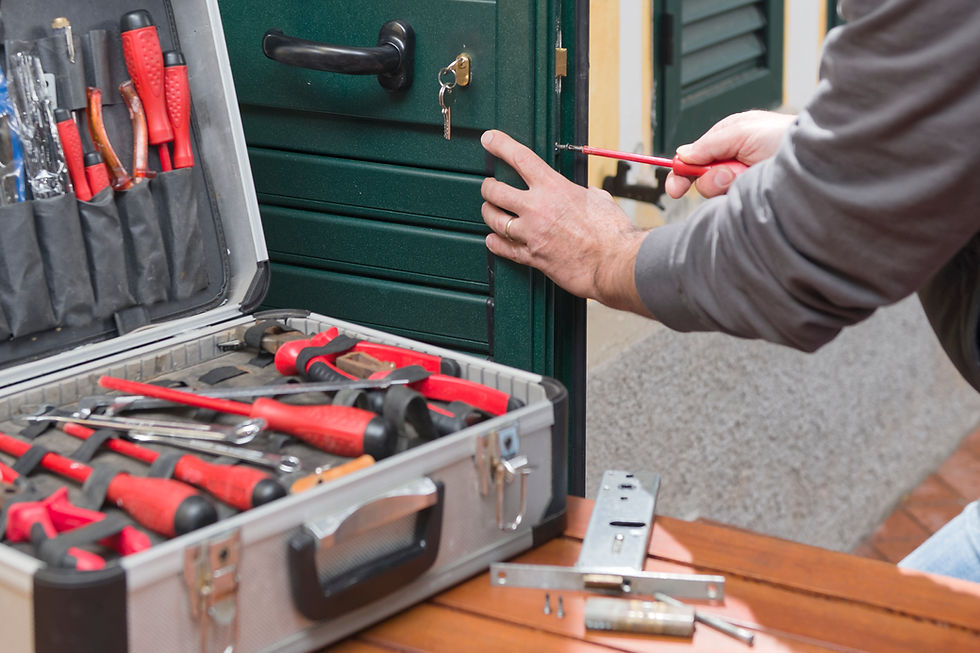
Tool cabinets often include precision foam inserts or molded compartments that securely hold individual tools in place. This prevents tools from colliding with each other and protects their cutting edges from damage. Many cabinets also include labeling systems or shadow boards that help operators quickly identify the correct tools.
For small and medium-sized CNC workshops, tool cabinets provide a reliable and organized storage solution. They allow operators to store a wide range of tools in a compact footprint while maintaining easy access during daily machining operations.
CNC Tool Carts and Mobile Tool Storage
Tool carts and mobile storage units are designed for flexibility and mobility within the workshop environment. These carts are equipped with heavy-duty wheels, allowing operators to transport tools between multiple CNC machines on the production floor.
In facilities where machines frequently change setups or share tooling resources, mobile tool carts provide a practical solution. Operators can bring the required tools directly to the machine rather than walking back and forth to a fixed storage location.
Mobile storage systems often include multiple drawers, adjustable compartments, and tool holder racks. Some advanced models also incorporate locking systems to ensure tool security when not in use. For dynamic production environments, tool carts can significantly improve operational efficiency and reduce unnecessary movement within the workspace.
Tool Holder Racks and Wall Storage Systems
Tool holder racks and wall-mounted storage systems are designed to provide quick visual access to CNC tooling components. These systems are commonly installed on workshop walls or mounted near machining centers, allowing operators to easily identify and retrieve tools.
Tool holder racks are specifically designed to accommodate different types of tool holders such as BT, CAT, or HSK holders. The racks secure each holder individually, preventing contact between tools and maintaining their alignment.
Wall storage systems are particularly useful in facilities with limited floor space. By utilizing vertical wall areas, machine shops can store a large number of tools without occupying valuable workspace. Additionally, the visual layout of wall racks makes it easier for operators to track tool availability and maintain organized tooling systems.
Vertical Tool Storage Systems
Vertical storage systems are designed to maximize storage capacity while minimizing the required floor space. These systems utilize vertical stacking or rotating mechanisms that allow manufacturers to store large numbers of tool holders and accessories in a compact footprint.
Vertical storage is especially useful for facilities that manage extensive tooling inventories. Instead of spreading tools across multiple cabinets or racks, vertical systems consolidate storage into centralized units that can accommodate hundreds of tools.
Some vertical storage systems feature rotating shelves or carousel designs that allow operators to access tools quickly. These designs improve efficiency by reducing the time required to locate and retrieve specific tooling components. For medium to large manufacturing facilities, vertical storage systems provide an effective balance between storage capacity and space efficiency.
Automated Tool Storage Systems
As manufacturing technologies evolve, many high-performance CNC operations are adopting automated tool storage systems. These systems incorporate digital technologies that allow automated tracking, retrieval, and inventory management of tooling components.
Automated storage systems often include barcode scanning, RFID tracking, or integrated software platforms that monitor tool usage. When operators require a specific tool, the system can quickly identify its location and provide guided retrieval.
In advanced manufacturing environments, automated storage solutions can integrate with tool management software and CNC machine networks. This allows manufacturers to maintain accurate inventory data, track tool life, and schedule replacements when necessary.
Although automated systems require higher initial investment, they offer significant benefits for large production facilities that manage extensive tooling inventories.
Tool Vending Machines for CNC Tools
Tool vending machines are becoming increasingly popular in large manufacturing plants. These systems function similarly to industrial vending machines, allowing operators to access tools through a controlled and monitored system.

Each tool is stored in a designated compartment within the machine. When an operator requires a tool, they access the machine using an identification system such as an employee badge or access code. The system records the transaction and updates the inventory automatically.
Tool vending machines help prevent tool loss, reduce unauthorized access, and provide detailed tracking of tool usage. For facilities with multiple shifts and large numbers of operators, vending systems can significantly improve tool accountability and inventory management.
Key Features to Consider When Selecting CNC Tool Storage Systems
Tool Capacity and Storage Layout
One of the most important considerations when selecting a CNC tool storage system is capacity. Manufacturers must evaluate the number and types of tools used in their operations and choose a storage system that can accommodate their tooling inventory. The layout of the storage system should also support efficient organization. Tools should be grouped based on categories such as tool holders, inserts, and cutting tools to simplify retrieval and reduce search time.
Compatibility With Tool Holders
CNC machining operations use different tool holder standards depending on the machines and tooling systems in use. Storage solutions must be compatible with these standards to ensure proper support and protection. Common tool holder standards include BT, CAT, and HSK systems. Storage systems should provide designated slots or holders that match these specifications to maintain tool stability and prevent damage.
Durability and Industrial Construction
CNC tool storage systems must withstand the demanding conditions of industrial environments. Heavy-duty steel construction, reinforced frames, and corrosion-resistant finishes are essential features for long-term durability. Storage units should also be capable of supporting the weight of multiple tools without deformation or structural damage.
Accessibility and Workflow Efficiency
Efficient storage systems should allow operators to access tools quickly and easily. Poorly designed storage layouts can slow down production by forcing operators to spend extra time searching for tools. Manufacturers should consider systems that provide clear labeling, organized compartments, and ergonomic access points to improve workflow efficiency.
Inventory Management and Tool Tracking
Advanced CNC tool storage systems may include integrated inventory tracking capabilities. These features allow manufacturers to monitor tool usage, maintain accurate stock levels, and schedule replacements before tools become unavailable. Digital tracking systems can also provide valuable insights into tool consumption patterns, helping manufacturers optimize their tooling procurement strategies.
Benefits of Using Specialized CNC Tool Storage Systems
Proper storage prevents cutting tools and tool holders from being exposed to environmental contaminants or accidental impacts. This protection helps maintain tool precision and extends tool lifespan.
When tools are organized and easily accessible, operators can perform machine setups more efficiently. This reduces downtime between operations and supports continuous production workflows.
Structured storage systems enable manufacturers to track tooling assets more effectively. This reduces the risk of lost tools, prevents overstocking, and ensures that critical tools are always available when needed.
CNC cutting tools are sharp and potentially hazardous if not handled properly. Organized storage systems reduce clutter and create a safer working environment for operators by ensuring tools are stored securely.
CNC Tool Storage Systems for Different Manufacturing Environments
Small CNC Workshops
Small workshops often operate with limited space and smaller tooling inventories. Compact tool cabinets and wall-mounted racks provide practical solutions that maximize storage efficiency without requiring large floor areas.
Medium Manufacturing Facilities
Mid-sized facilities typically use a combination of storage systems, including tool cabinets, mobile carts, and vertical storage units. These solutions allow manufacturers to organize tools across multiple machining centers while maintaining accessibility.
Large Industrial Production Plants
Large-scale manufacturing operations often require advanced storage solutions such as automated systems and tool vending machines. These technologies support large tooling inventories, multiple operators, and continuous production cycles.
Emerging Trends in CNC Tool Storage Technology
As manufacturing continues to evolve, CNC tool storage systems are becoming more integrated with digital technologies and smart factory concepts.
Industry 4.0 initiatives are driving the development of connected tool management systems that integrate storage, inventory tracking, and machine data. Technologies such as RFID tracking and cloud-based tool management platforms allow manufacturers to monitor tooling usage in real time.
Automated storage and retrieval systems are also becoming more common in advanced manufacturing facilities. These solutions reduce manual handling, improve accuracy, and enhance overall operational efficiency.
Conclusion
Efficient tool management is a critical component of high-performance CNC machining
operations. While cutting tools and machining centers often receive the most attention, the storage and organization of tooling resources play an equally important role in maintaining productivity and operational efficiency. CNC tool storage systems provide structured solutions that protect valuable tooling assets, improve accessibility, and support effective inventory management. From traditional tool cabinets and mobile carts to advanced automated storage systems, manufacturers have a wide range of options to meet their operational needs.
For B2B buyers and manufacturing decision-makers, selecting the right CNC tool storage system requires careful evaluation of tool capacity, compatibility, durability, and workflow requirements. By investing in the right storage solutions, businesses can enhance productivity, reduce tool-related costs, and support the long-term success of their CNC machining operations.


Comments